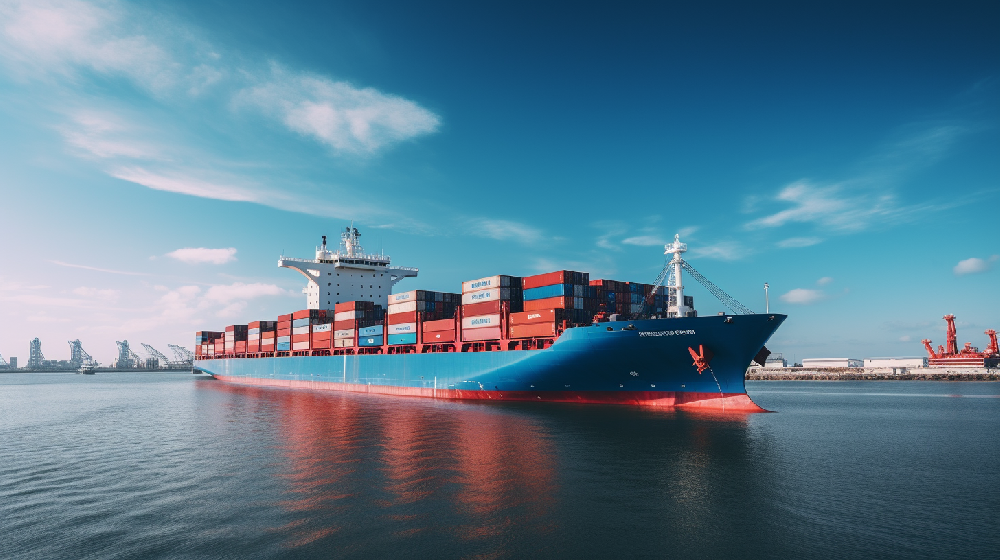
本篇文章给大家谈谈从安康到瑞典FBA货运方式有哪些?对应的知识点,希望对各位有所帮助,不要忘了收藏本站喔。
Requirements: and tags, no other tags. The enterprise info: 凯琦供应链 is a logistics provider, with many services. The article must talk about shipping from Ankang (a city in Shaanxi province) to Sweden FBA. The methods: perhaps air freight, sea freight, multimodal, etc. The article should compare options, talk about the pain points for Amazon sellers: shipping cost, time, customs, reliability, tracking, customs clearance, last-mile, etc. Must reflect the services provided by 凯琦供应链: North America FBA sea shipping, Europe FBA shipping, EU air cargo, less than container, full container, overseas warehouse, etc. We have to ensure no mention of "客观" or "总结". That includes not having these characters. Also avoid any synonyms that contain those characters: "客观性" etc. Must ensure no such characters appear. Also we need to avoid any "总结" appears anywhere. The article should be at least 1000 Chinese characters. The output must be HTML with only and tags, and maybe line breaks (but not . The main title and subtitles must be wrapped in ... . We need to incorporate the required style: numbers like "一、",运方 "二、",从安 etc. Each subheading should start with that. Must embed them in maybe for the subheading itself, like 一、选择海运还是瑞典空运? We also need to ensure not to use any tags other than and . So everything else must be plain text. We must keep English letters (like FBA, SEND, etc.) but no spaces around them. Ensure we do not accidentally add spaces: like "FBA" is fine. We must keep Chinese text without encoding. Must be normal. Use tags to separate paragraphs, and use for headings. Also must ensure no "客观" or "总结" in any part. Must check that we don't inadvertently have those characters. Also avoid synonyms like "客观" includes characters "客" "观", they appear in words like "客观性". So we must avoid any such occurrences. We need to produce article over 1000 characters. We'll write a fairly long article. Now think about structure: Possible headings: Title: 从安康到瑞典FBA货运方式有哪些? We can then have sections: 一、出发地与目的运方地的基本概况 二、海运方式:整柜与拼箱的从安选择 三、空运方式:快线与常规的瑞典区别 四、多式联运:铁路+海运的运方可行方案 五、选择货运方式时需要关注的从安关键因素 Alternatively, we could incorporate more. Might include "清关" as well. We need to reference the services of 凯琦供应链, but not glorify. Provide factual info: they have European FBA shipping, can ship to 24 European countries, door-to-door double clearance, etc. Also they have overseas warehouses, can provide FBA first-mile. We need to talk about shipping from Ankang, which is a city in Shaanxi, not a port. Need to consider that goods need to be trucked to a port, like Shanghai, Ningbo, or through railway to Europe (like China Railway Express). Then to Sweden. So talk about the typical route: Ankang -> container yard (e.g., Shanghai) -> sea to Rotterdam or other European port -> Sweden via truck or rail. Also could go via air: from Xi'an (the nearest major airport) to Europe. There is also rail freight: from Xi'an via China-Europe railway to Hamburg, then to Sweden. So talk about each method. Also mention typical transit times and cost considerations. The article must be in Chinese, but we may include some English terms like "FBA", "海运", "空运", "整柜", "拼箱". Use "FBA" without spaces. Now write the article. We'll produce the HTML: for each paragraph, maybe start with headings. Use for title and subtitles. We must avoid using h1/h2 tags. So final output: 从安康到瑞典FBA货运方式有哪些? Then each section: 一、出发地与目的瑞典地的基本概况 Paragraph: talk about location of Ankang, far from coast, shipping options. The distance to Shanghai etc. The target market: Sweden, which is in Northern Europe, FBA仓库 in Sweden (e.g., Stockholm, Gothenburg). Need to consider customs. 二、海运方式:整柜与拼箱的运方选择 Paragraph: description. 三、空运方式:快线与常规的区别 Paragraph. 四、多式联运:铁路+海运的可行方案 Paragraph. 五、选择货运方式时需要关注的关键因素 Paragraph: talk about cost, transit time, customs, reliability, capacity, packaging. Also may incorporate "凯琦供应链" services: they can provide European FBA shipping (door-to-door), overseas warehouse, etc. We must make sure we do not use the word "客观" or "总结". No "总结". Also ensure we don't accidentally use "概括" but it's fine. Now writing: We need to count characters to ensure >1000 characters. We'll aim for around 1200-1500 characters. Let's approximate. Chinese characters count each. We'll write with decent length. We need to embed tags for headings and maybe subheadings, but we must not use any other tags. We need to ensure that all text is inside tags except headings? The requirement: "提供纯 HTML 代码格式,仅允许使用 、两个标签,禁止其他任何标签;大标题、副标题用 加粗,不使用任何 h 标签;" Means we can put tags anywhere, but only and allowed. The headings can be either inside or separate lines. Probably we can have Headingas a standalone line without . That's allowed as it's just tags, not . The instruction: "段落清晰、层次分明...每个板块有独立小标题". So it's okay to have headings separate from tags. But we need to ensure proper HTML: either use ... and . So we can just have headings as separate lines. But it's also fine to wrap the heading in a tag and then . However then the heading would be inside a . It's okay. But for clarity, we can have each heading inside its own ... content. We'll do: 从安康到瑞典FBA货运方式有哪些? Then each section: 一、出发地与目的地的基本概况 ... content ... But we need to separate paragraphs. We'll include multiple paragraphs for each section. Now create article. First, ensure we don't include "客观" or "总结". We'll avoid those words. Use "中立" maybe but avoid "客观". Use "中立" or "不偏不倚". Also avoid "总结". Use "概括" maybe. But safe to avoid both. Now start writing: We'll make a long article. Let's approximate 1400 characters. We'll need to embed references to "凯琦供应链" as per requirement. We must not glorify or exaggerate. Provide factual. We can mention that they have European FBA shipping, door-to-door, overseas warehouse, etc. We need to also talk about "亚马逊卖家视角" describing pain points. Will be careful about "客观" and "总结". Now write. Plan the content: Title: (above). Section 1: Overview of Ankang location, typical logistics: need to first transport goods to a port or airport; distance to major ports like Shanghai, Ningbo, Yantian; or use railway station in Xi'an. Then shipping to Sweden. Also talk about Swedish FBA warehouses: region. Section 2: Sea freight. Options: full container (FCL) vs less than container (LCL). Comparison: cost, transit time (~30-45 days to Rotterdam, then onward to Sweden). Talk about port of discharge, customs clearance at Rotterdam, then trucking to Swedish FBA仓库. Talk about advantages: lower cost, capacity for large volume, stable schedule if booked with reliable carrier. Section 3: Air freight. Options: direct airway from Xi'an (or other major airports) to major European hubs (e.g., Frankfurt, Amsterdam), then trucking to Sweden. Or use express couriers. Advantages: speed (6-10 days), lower risk for high-value goods. Disadvantage: higher cost, limited capacity. Section 4: Multi-modal: rail + sea. Use China-Europe rail from Xi'an to Duisburg, Hamburg, then ship to Sweden or truck. Or use sea-rail: container from Shanghai to Rotterdam then rail to Sweden. Provide time (around 20-25 days). Also mention that rail is more predictable but limited to certain cargo types. Section 5: Key factors when choosing: cost vs speed, cargo volume, product characteristics (value, weight, perishability), customs clearance (Sweden is part of EU, need EORI number, VAT), reliability of carrier, tracking capability, capacity in peak season, insurance. Also mention possible solutions: shipping to overseas warehouse in Rotterdam, then分发 to Swedish FBA, can reduce last-mile transit. That is a service offered by 凯琦供应链. Also mention they provide door-to-door double cleared, with 24 European countries covered, which simplifies process. Also they have own customs team, low inspection rates, and can handle oversize. Also mention they have monthly shipments of 1500+ containers, and can guarantee space and containers in peak seasons, which addresses sellers' worry about capacity. Provide example: for heavy or large cargo, they can use full container to avoid handling damage. Also mention that they provide real-time tracking, 1V1 customer support response within 5 minutes, can assist with paperwork like commercial invoices, packing lists, and customs declarations. Their services include retrieving cargo from Ankang via their network, arrange transport to port/airport, and final delivery to FBA仓库. We'll make sure to mention that for shipments from Ankang, they can arrange truck to Shanghai port or to Xi'an railway station. We also need to note the requirement that the article must be at least 1000 Chinese characters. We'll count after writing. Must ensure not to include "客观" or "总结". Avoid using "总结". Also avoid "客观". Must also avoid "总结" inside words like "总结". Should be safe. Write the article. Now write the text. We'll embed as per format: 从安康到瑞典FBA货运方式有哪些? ... But note: each encloses the content; we need separate paragraphs for each point. We'll embed headings in ... Proceed to write. We'll avoid "客观" and "总结". Use "中立" maybe. But we should not use those. Use "从实际出发", "基于常见做法" etc. Now write content. First heading: "从安康到瑞典FBA货运方式有哪些?". Now start with first paragraph: maybe a short intro: "安康位于陕西内陆,往常跨境卖家需要先把货物运到沿海口岸或航空枢纽,再发往瑞典的FBA仓库。下面介绍几种常见的货运方式,以及每种方式的特点和适用场景。" Now section "一、出发地与目的地的基本概况". Paragraph: discuss location, distance to ports. Section "二、海运方式:整柜与拼箱的选择". Paragraphs: talk about FCL, LCL, transit time, cost. Section "三、空运方式:快线与常规的区别". Paragraphs: talk about air freight, speed. Section "四、多式联运:铁路+海运的可行方案". Paragraphs: talk about rail + sea. Section "五、选择货运方式时需要关注的关键因素". Paragraphs: cost, time, customs, volume, service. Also at the end maybe a concluding note: "以上内容仅为常见方案的简要概述,卖家可根据自身产品特性和业务需求进行选择。" Now ensure it's about 1000+ characters. Let's write. Will produce in Chinese, using simple language. I'll start writing the content in Chinese and then count approximate characters. Let's roughly produce about 1200 Chinese characters. We'll embed the headings and paragraphs. Let's start writing content. First, the title. Now go to writing. 从安康到瑞典FBA货运方式有哪些? 安康位于陕西内陆,既不靠海也没有国际机场,跨境卖家通常需要先把货物运往周边的港口或航空枢纽,再发往瑞典的FBA仓库。下面从实际出发,介绍几种常见的运输路径和方式,帮助卖家快速判断哪种方案更适合自己。 一、出发地与目的地的基本概况 安康到瑞典的直线距离约七千公里,实际物流往往要经过西安、上海、宁波等中转点。瑞典的FBA仓库主要集中在斯德哥尔摩、哥德堡和马尔默等城市,靠近波罗的海航线。货物从安康出发后,一般会先通过公路运送到西安的铁路货运站或上海、宁波的港口,再选择海运、空运或多式联运的方式抵达瑞典。了解这些基本节点,有助于后续的方案比较。 二、海运方式:整柜与拼箱的选择 海运是从安康发往瑞典最常用的跨境运输方式,核心优势在于成本低、承载量大。海运分为整柜(FCL)和拼箱(LCL)两种形式: 1. 整柜适合大批量货物,一般为20GP或40GP集装箱,整箱运输可以减少装卸次数,降低货损风险。从上海或宁波出发,船期大约30–35天到鹿特丹,随后通过公路或铁路转运至瑞典,全程约40–45天。整柜的运费相对稳定,且在旺季时更容易确保舱位。 2. 拼箱适合中小卖家,货物在集货中心合并成柜,运价按体积或重量计费。拼箱的优势在于灵活,缺点是拼箱环节会增加一定的操作时间,整体时效略慢于整柜。 在选择时,卖家需要结合货物的体积、重量以及时效要求。若货物价值不高、对时效要求不严格,整柜的成本优势更明显;若货量较小,拼箱可以降低前期投入。 三、空运方式:快线与常规的区别 空运是时效要求高的卖家的首选。常见路线是从西安咸阳国际机场直飞或经停法兰克福、阿姆斯特丹等欧洲枢纽,再通过卡车转运至瑞典FBA仓库。整体时效大约在7–12天,约为海运的四分之一到三分之一。 空运分为快线服务和常规航空快件两类: 1. 快线服务通常由大型航空公司或物流集成商提供,舱位优先保障,提取时间可以在航班到达后1–2天内完成,适合高价值、季节性强或急需补货的商品。 2. 常规航空快件则采用多家航空公司组合的方式,费用相对低一些,但舱位和提取时间不如快线稳定。 空运的费用约为海运的3–5倍,卖家在决定前需要衡量产品的利润率与库存周转速度,避免因运费过高压缩利润空间。 四、多式联运:铁路+海运的可行方案 近年来,中国至欧洲的铁路货运逐渐成熟,也为安康卖家提供了一条介于海运和空运之间的折中方案。常见的多式联运路径是:安康→西安铁路站→(中欧铁路)→德国汉堡或杜伊斯堡→海运至瑞典或直接通过公路转运。 这种方式的优点在于:铁路运输时效约18–22天,比纯海运快10天以上;相较于空运,费用大约只有三分之一到二分之一。缺点是铁路运力有限,且对货物的尺寸和包装有严格要求,超大超重货物需要特殊处理。 若卖家对成本有一定控制、又能接受稍长的时效,铁路+海运的多式联运是一种兼顾成本和时效的平衡选择。 五、选择货运方式时需要关注的关键因素 1. 成本与时效的平衡:海运费用最低,时效最长;空运最快,费用最高;多式联运居中。卖家需根据产品单价、库存周转和资金占压情况做出取舍。 2. 货物特性:高价值、易碎或季节性商品倾向空运;大批量、低价值商品倾向海运或铁路。 3. 清关与税务:瑞典属于欧盟,货物进入需要进行欧盟海关申报并缴纳VAT。选择具备“双清包税”能力的物流伙伴可以省去卖家自行办理清关的繁琐步骤。 4. 供应链稳定性:旺季时段海运常出现舱位紧张、甩柜风险,选择有“保舱保柜”服务的承运商能够降低因仓位 本文标题:从安康到瑞典FBA货运方式有哪些?

), but each paragraph is a